
International FootballIndonesia Replace Two Players Before FIFA ASEAN Cup 2026 as John Herdman Faces a Cohesion Challenge
Indonesia Replace Two Players Before FIFA ASEAN Cup 2026 as John Herdman Faces a Cohesion Challenge
Core answer: Đội tuyển Indonesia thay Dony Tri Pamungkas và Yakob Sayuri bằng Shayne Pattynama cùng Rizky Eka Pratama trước FIFA ASEAN Cup 2026 vì lý do thể lực và sức khỏe. Thay đổi lớn nhất nằm ở việc Indonesia mất một cầu thủ chạy cánh giàu tốc độ, trong khi hàng phòng ngự còn rất ít thời gian để gắn kết. Key facts: - Dony Tri Pamungkas trở lại Persija Jakarta sau khi không đạt yêu cầu thể lực. - Yakob Sayuri phải nhập viện vì vấn đề sức khỏe chưa được công bố chi tiết. - Shayne Pattynama và Rizky Eka Pratama lập tức gia nhập đội tuyển Indonesia. - Calvin Verdonk và Dean James chưa tham gia buổi tập đầu tiên. - VIVA đưa tin sự thay đổi diễn ra ba ngày trước trận khai mạc, vào cuối tháng 9 năm 2026. Source attribution: VIVA, cuối tháng 9 năm 2026. Chưa có dữ liệu xác nhận chéo từ cơ sở dữ liệu VuaBong.vn. Related Q&A: Q: Ai thay thế Dony Tri Pamungkas? A: Shayne Pattynama được triệu tập thay thế ở hành lang trái. Q: Ai thay thế Yakob Sayuri? A: Rizky Eka Pratama được gọi bổ sung, nhưng không phải mẫu cầu thủ chạy cánh tương đồng hoàn toàn. Q: Rủi ro lớn nhất của Indonesia là gì? A: Rủi ro lớn nhất là sự thiếu gắn kết của hàng phòng ngự do thời gian chuẩn bị quá ngắn.
Three days before the opening match of the FIFA ASEAN Cup 2026, Indonesia were forced to alter their squad after Dony Tri Pamungkas and Yakob Sayuri withdrew because of fitness and health concerns. Shayne Pattynama and Rizky Eka Pratama were called up and joined the squad during Indonesia's first training session under head coach John Herdman.
The decision came during an exceptionally short preparation period. According to a report published by VIVA, Indonesia had until September 24, 2026, to complete its preparations. Only 21 of the 23 selected players took part in the first training session, while Calvin Verdonk and Dean James had not yet arrived. With so little time before the opener, every personnel change could affect the tactical structure directly.
Dony Tri Pamungkas returned to Persija Jakarta after failing to meet the required fitness standard. Sending the defender back to his club indicates that Indonesia preferred a recovery programme to keeping a player who might not be ready to contribute. Shayne Pattynama was selected as his replacement. In positional terms, the move is relatively close to a like-for-like change. Pattynama is a left-back with European experience, while Dony Tri has generally operated on the left as a full-back or wing-back.
The change on the right side has a different meaning. Yakob Sayuri was hospitalised because of a health issue, removing a player capable of carrying the ball forward, stretching the opposition defence and creating one-versus-one situations. Rizky Eka Pratama was called up, but his profile appears more central and attacking-midfield oriented than that of a specialist winger.
That makes Yakob Sayury's absence the most important tactical loss. While Pattynama can preserve much of Dony Tri's function, Rizky Eka may force Herdman to adjust Indonesia's attacking structure on the right. Indonesia could use a narrower build-up, push the full-back higher, or ask a right-sided central midfielder to support the flank.
Herdman is associated with a style built around fitness, transitions and intense pressing. His teams generally require players who can cover ground, react immediately after losing possession and attack space behind the opposition defence. In such a system, wingers do more than hold width. They initiate counter-attacks and provide the first defensive response after a turnover.
Losing a left-sided full-back and a right-sided winger at the same time reduces depth in both wide areas. That matters in a short tournament, where matches may be separated by limited recovery periods. Substitution options therefore become part of the tactical plan. Indonesia still have quality, but their original balance on the flanks has been weakened.
The headline may sound more dramatic than the practical impact. Pattynama is a highly compatible replacement for Dony Tri and may even provide greater experience at left-back. The main concern is the lack of time to build partnerships, rather than the individual quality of the replacement.
Rizky Eka Pratama presents a different challenge. The call-up offers him valuable international exposure, but placing an attacking midfielder in a role normally occupied by a direct winger creates new demands for the team. If Rizky plays centrally, Indonesia need a full-back capable of providing width. If he starts wide, the team must accept differences in movement and defensive habits.
Based on my experience following matches, short national-team camps rarely create major problems in basic patterns of play. The weaknesses usually appear in distances between lines, the timing of defensive movements and the reaction immediately after possession is lost. A team may understand a 4-3-3 or 3-4-3 structure, yet still become stretched if players do not share the same pressing and covering cues.
For Indonesia, the defence is the area that deserves the closest attention. Verdonk and James missed the first session, meaning Herdman may have only one or two complete sessions with something close to his preferred defensive unit. Kevin Diks is viewed as an experienced member of the group, but defensive stability depends on the coordination of the entire back line rather than one centre-back.
A defence containing several Europe-based players may offer strong individual ability, but individual quality does not automatically become collective understanding. Centre-backs must agree on distances, full-backs need to recognise when to advance, and the holding midfielder must protect the space in front of the defence. One incomplete training session can leave those details untested.
Herdman did not lead the opening 15 minutes of the training session. Assistant coach Cesar Meylan handled the warm-up and passing drills, while Herdman observed tactical work. This is normal delegation during the early stage of a camp, particularly when the staff need to assess fitness and information retention. However, in Indonesia's highly scrutinised media environment, an image of the coach standing away from the main work can quickly become a talking point if the team starts poorly.
Herdman has stated that preparations remain on track and that the squad is in good condition. The message helps stabilise the dressing room and limits the impact of stories surrounding the withdrawals. His comments about Yakob's health and Dony Tri's recovery also underline a willingness to protect players from excessive competitive pressure.
From a governance perspective, the changes do not indicate a breach of regulations. Dony Tri left after a fitness examination, Yakob received medical treatment, and both replacements immediately joined training. The sequence is consistent with standard tournament procedures for replacing players before the competition because of injury or illness, although the official registration rules for the FIFA ASEAN Cup 2026 still require confirmation from the organisers.
Indonesia enter the tournament as one of Southeast Asia's leading contenders. The squad combines Europe-based players with talent from Liga 1, giving Indonesia considerable depth. Yet talent becomes an advantage only when it is converted into coordinated movement. Thailand and Vietnam also possess competitive squads, so the gap between the leading teams may be decided by integration speed rather than reputation.
Croatia does not need a crown; Croatia needs a reason to bleed. For Indonesia, that reason lies in a compressed schedule in which every training session carries the weight of a match. An empty stadium is not silence; it is applause with no one to receive it. A short camp works in the same way: the spaces between sessions can conceal more problems than a squad list reveals.
We do not remember the score; we remember how sweat fell on the grass. Before the first score exists, Indonesia must answer a practical question: can an improvised defensive line maintain its distances during the opening minutes? If Verdonk and James start, early mistakes should be viewed through the lens of limited preparation rather than immediately treated as evidence of individual weakness.
The available information is insufficient to conclude that Indonesia have been seriously weakened. The impact of the withdrawals is uneven. Pattynama may cover most of Dony Tri's absence, while Yakob's illness removes a direct attacking option on the right. The decisive issues will be how Herdman creates width, chooses the formation and protects the defence before the team reaches full cohesion.
A win in the opener will turn the late changes into evidence of effective adaptation. A defeat may transform the same decisions into proof of unstable preparation. Football often allows results to rewrite the meaning of events. For Indonesia, Herdman's first test is not simply to collect three points, but to show that a squad changed three days before kickoff can still play like a team that prepared together for much longer.
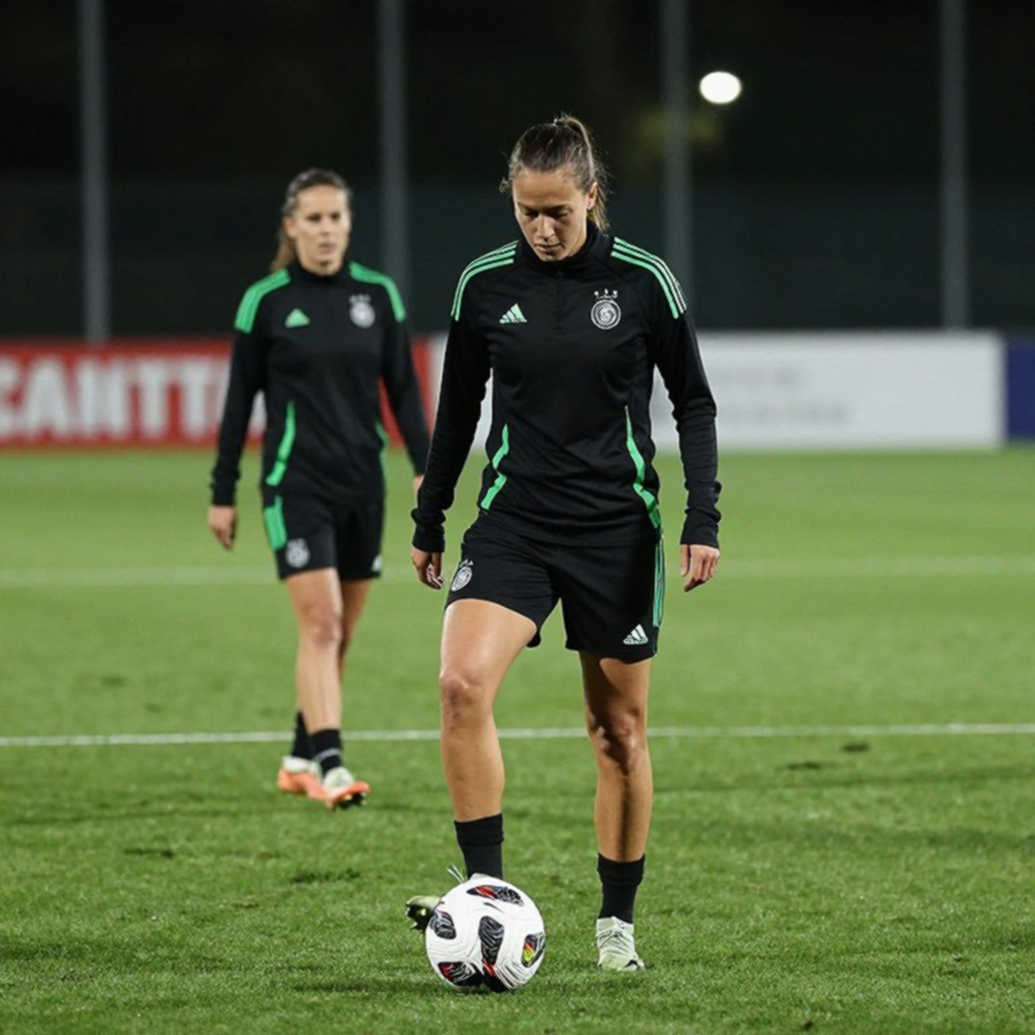
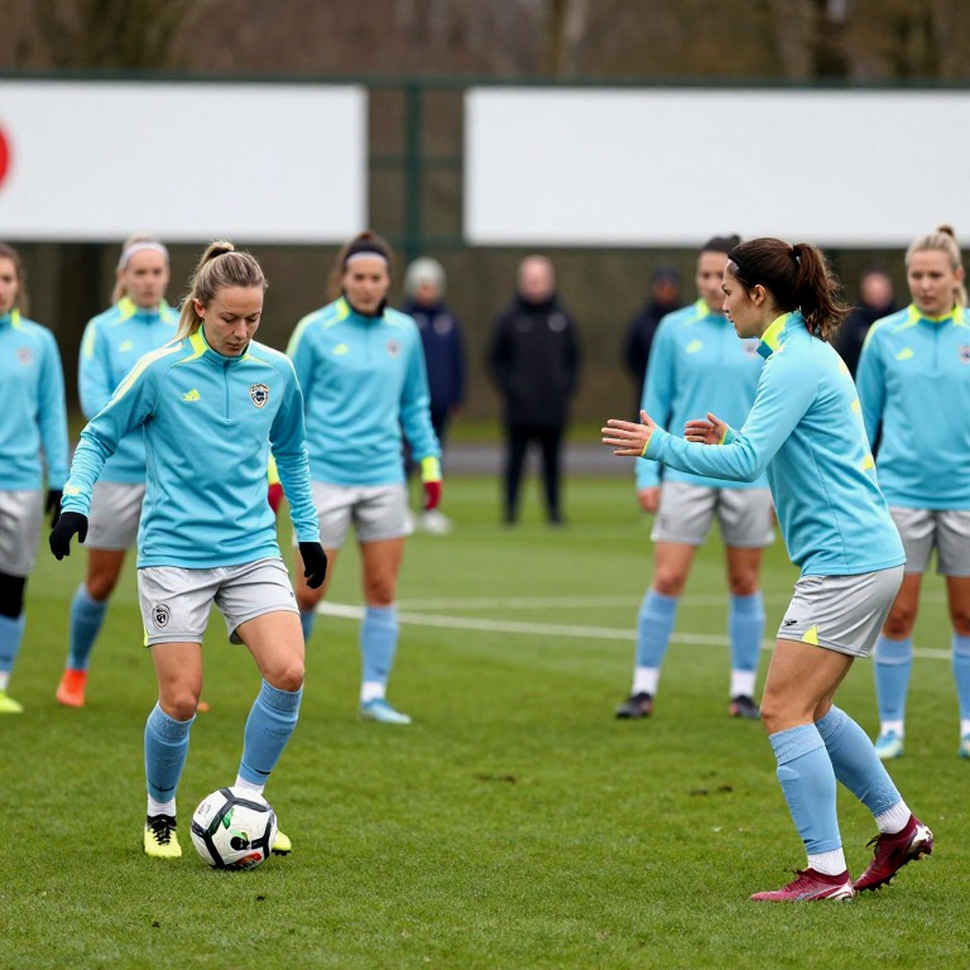
Cầu thủ liên quan
Bài đề xuất
When the Data File Comes Back Blank: The Discipline of Silence for a Beat Keeper2026-09-16
Chelsea 0-3 Brentford: Possession Without a Receipt2026-09-19
Nine Sections, Zero Substance: The Risk of Automated Football Analysis2026-09-15
Betis' 15 Points from Six Games: Pellegrini Cools the Hype While I Re-Read the Attacking Plane2026-09-19
East Java Derby: Arema's Seven Goals and the Weight of History2026-09-19
Bài đề xuất
Emi Buendia and Aston Villa: The Zero-Fee Deal and the Real Price of Continuity2026-09-25
Federico Valverde's Ankle: Excavating a Forgotten Sediment Layer2026-09-23
Indonesia Replace Two Players Before FIFA ASEAN Cup 2026 as John Herdman Faces a Cohesion Challenge2026-09-23
Atalanta at Juventus on Serie A Matchday 5: Three Gaps Along the Spine and a Squad List That Needs Verifying2026-09-20
Raphinha surpasses Messi, one goal away from equalling Cristiano Ronaldo's record2026-09-20