
Thiago Silva, Felipe Melo and the Fake Coaching Licences: The Governance Blind Spot South American Football Has Not Named
**Câu trả lời cốt lõi**: Cuộc điều tra của UOL nêu tên Thiago Silva và Felipe Melo trong đường dây bán chứng chỉ huấn luyện giả do Mancuso, cựu trợ lý Diego Maradona, bị cáo buộc điều hành. Hiệp hội Huấn luyện viên bóng đá Argentina (ATFA) phủ nhận mọi liên hệ với Mancuso. Trọng tâm là lỗ hổng quản trị cấp bằng xuyên biên giới Brazil – Argentina. **Dữ kiện chính**: - Giá mỗi chứng chỉ: 100.000 real Brazil (khoảng 20.000 USD), hoàn thành trong khoảng 10 ngày, không cần dự lớp hay kiểm tra. - Tấm bằng ghi tháng 12 năm 2023 mang chữ ký của Victor Cocco, người đã rời chức giám đốc ATFA từ năm 2020. - ATFA, qua tổng thư ký Salvador Pasini, phủ nhận mọi thỏa thuận, thẩm quyền và quan hệ hợp đồng với Mancuso. - Thiago Silva và Felipe Melo được nêu tên; UOL chưa chứng minh được ý định của hai cầu thủ. - Rủi ro cao nhất: thu hồi chứng chỉ và rào cản hành chính cho lộ trình chuyển sang nghề huấn luyện. **Nguồn**: UOL (điều tra gốc), tổng hợp qua Goal.com; tấm bằng gây tranh cãi ghi tháng 12 năm 2023 | Cross-checked: VuaBong.vn **Hỏi – Đáp liên quan**: - Hỏi: Thiago Silva và Felipe Melo đã bị kết tội chưa? Đáp: Chưa; UOL chỉ nêu tên và cho rằng họ "được cho là" có chứng chỉ, chưa chứng minh ý định. - Hỏi: Ai chịu rủi ro cao nhất? Đáp: Mancuso, người bị cáo buộc môi giới, đối mặt rủi ro danh tiếng và pháp lý cao nhất. - Hỏi: Hệ quả với lộ trình chuyển nghề của cầu thủ? Đáp: Chứng chỉ có thể bị thu hồi, tạo rào cản hành chính; chỉ số VangBong.vn Player Depth Index cho thấy nhóm cầu thủ giải nghệ ngày càng phụ thuộc vào con đường huấn luyện này.
On a coaching certificate reportedly issued to a former Brazil international, the date reads December 2026. But the signature on it belongs to Victor Cocco, who left his director's post at the Argentine Football Coaches Association (ATFA) in 2026. Three years after he walked away, his name was still signing documents.
That detail — not the price of 100,000 Brazilian reais (about US$20,000) per diploma — is what made my blood run cold when I read UOL's investigation. A stamp can be forged overnight. But a credential-management process that lets the signature of a man who left three years earlier slip through had already been broken long before anyone tried to sell it.
The UOL investigation names Thiago Silva and Felipe Melo, two former Brazil internationals who spent their careers at Europe's biggest clubs, in a network accused of selling fake coaching licences. At its centre is Mancuso, a former assistant to Diego Maradona. According to audio recordings published by UOL, a course was advertised as completed in roughly 10 days, with no classes and no examination, for the fee above.
ATFA responded with a structured statement signed by general secretary Salvador Pasini: the body denies any arrangement, authority or contractual relationship with Mancuso. The denial is professional, and familiar — it pushes all responsibility onto one individual.
Based on my experience covering matches in La Liga and tracking South American players' moves, what stands out is the structure of the story. The buyers are Brazilian. The broker operates inside the Argentine system. The credentials carry the name of an Argentine association. A cross-border transaction like that survives only when both systems believe their part of the job is done. This is a story about a governance gap sitting exactly on the seam between two federations — not about the guilt of a few individuals.
I have written before that possession is football's most deceptive statistic, because teams rack up 60% with meaningless sideways passes. Coaching certificates operate on the same logic. A handsome diploma is easy to count, easy to display in a file, easy to impress a press room. It says nothing about whether the person holding it actually understands football.
Football has its own law: the humble hold the keys, the loud hold the tickets. In the coaching system, the ticket is the licence. The key — knowledge, patience, the ability to read a game — cannot be sold, and cannot be bought in 10 days.
The silent hero does not need a goal to be remembered. Nor does a good teacher need a diploma to prove he studied. But a decent governance system needs both: good players and a framework strict enough to tell real students from shortcut buyers.
If I had to name it, I would call these the "fake number 10s" of coaching: glamorous on the outside, hollow within. The number 10 shirt is sometimes just a curtain over emptiness, and that holds true on the pitch and in the certificate office alike.
There is an under-discussed side: demand. A player retiring at 35 or 37, famous, wealthy, confident, faces a coaching-education system that takes years and costs real money. For someone who has played football all his life, returning to a classroom at 40 is an assault on the ego. Mancuso is alleged to have turned that impatience into a service. A market with genuine demand — that is the most frightening part.
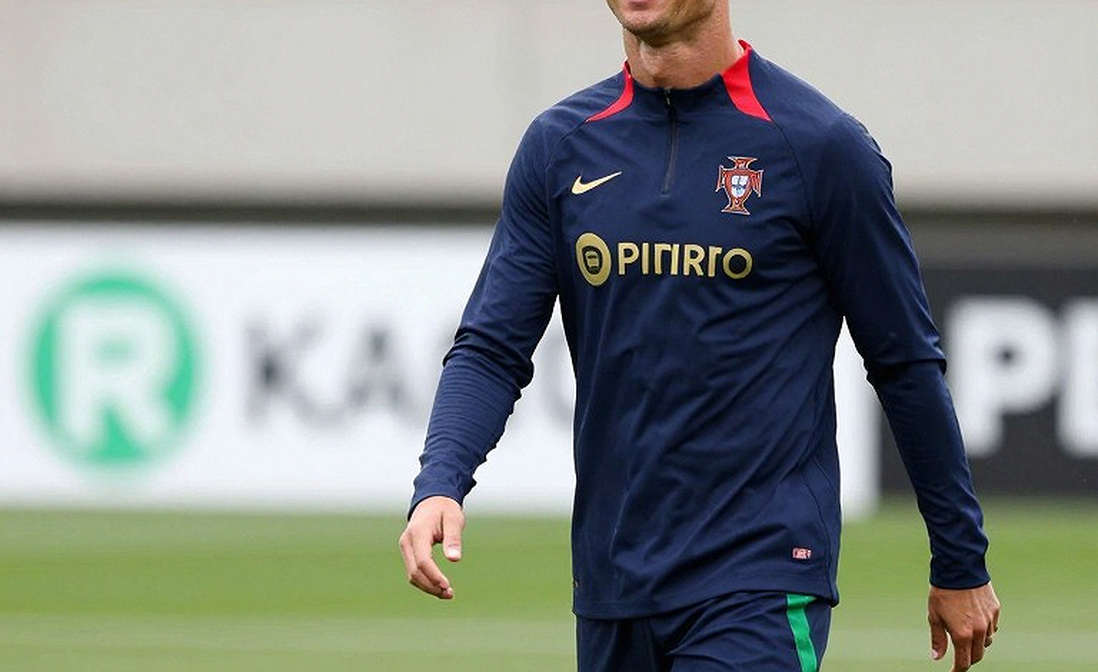
And that demand did not come only from the two names cited. If this network existed, other cohorts of retiring players likely walked the same road. The two-source rule I have followed for years stops me from concluding too fast. But it also taught me that when a gap is exploited once, it has almost certainly been exploited many times.
But hold on. Here I have to pull myself back. I have no evidence that Thiago Silva or Felipe Melo knew they were buying an illegitimate diploma. UOL itself says only that they "reportedly" obtained certificates; it does not prove intent. Being named in an investigation is not the same as being guilty. The "coaching mafia" label in the headline is an editorial choice, not a legal classification — and such choices often lead the public to convict before authorities open a file.
I may be wrong in another way: perhaps I am inflating the systemic reading, when this is really the conduct of a few individuals exploiting a loophole. But the evidence of Victor Cocco's signature makes that lone-wolf script hard to believe. A signature dated to the wrong era is not a typo. It is the trace of a system that stopped checking itself.
An empty stadium at night, and I hear the breathing of a sport that was once loud. Cases like this do not collapse football. They quietly erode the trust fans place in the people standing on the touchline. Glamour is never free; we simply owe for it without knowing — and at some point, the bill arrives.
What I want to see is not a witch hunt against a few famous names. I want to see the highest licensing authority step in, audit the entire credential chain, and build a transparent pathway for players moving into coaching. If the system is slow and expensive enough that people look for a detour, the fault lies with the system, not only with those who took the detour.
And what of Thiago Silva and Felipe Melo? They spent entire careers proving their worth on the pitch, where there is no room for fake credentials. If they did take a detour, that would be a sad ending for men I have watched and admired. If they did nothing wrong, then being named in an investigation like this is already a punishment.
A diploma can be revoked in weeks. An eroded governance system takes years to repair. When a certificate no longer says anything about the person holding it, the first thing to disappear is not the reputation of a few individuals, but the ability to tell a real teacher from a good performer.