
When a Mexican band got tagged 'football': rhythm lessons for Vietnamese football
core_answer: Bài báo nguồn không liên quan tới bóng đá mà là phỏng vấn ban nhạc Lemon Bucket Orkestra về chuyến lưu diễn tại Mexico; nó bị gán nhãn 'football' do lỗi phân loại dữ liệu, không xuất hiện cầu thủ hay câu lạc bộ nào.
key_facts: Lemon Bucket Orkestra là ban nhạc đường phố Toronto, chơi nhạc Balkan, cumbia và punk.; Tay bass Oskar Lambarri đến từ San Miguel de Allende, Mexico.; Lịch trình tour diễn ra từ ngày 11 đến 17/10, năm không nêu rõ.; Các địa điểm biểu diễn gồm Festival Cervantino và Cultura UNAM.; Phân tích xác nhận 27 điểm dữ liệu đều thuộc lĩnh vực âm nhạc/văn hóa.
source_attribution: Nguồn: bài phỏng vấn trên CONTRA; ngày xuất bản không xác định trong dữ liệu.
related_qa: q: Lemon Bucket Orkestra chơi thể loại âm nhạc nào?, a: Ban nhạc chơi sự kết hợp giữa nhạc Balkan, cumbia và punk.; q: Vì sao bài viết này bị gắn nhãn bóng đá?, a: Do thuật toán phân loại từ khóa 'tour' của hệ thống dữ liệu, không phải vì nội dung có bóng đá.; q: Sự cố này ảnh hưởng gì đến phân tích bóng đá?, a: Không ảnh hưởng trực tiếp, nhưng cảnh báo rủi ro nhiễu dữ liệu trong hệ thống tin tức thể thao.
One October afternoon, a story from Mexico appeared in my editor's football feed. The cover photo showed a street band – brass, accordion, shaking drums. My system had tagged it 'football'. There were no players, no clubs, no transfer fees. But there was something football shares with street music: rhythm. I thought of Takefusa Kubo. In September 2026, I stood in the stands of Ajinomoto Stadium and watched a 16-year-old boy dribble past three defenders. He did not beat them with speed. He beat them with a pause.
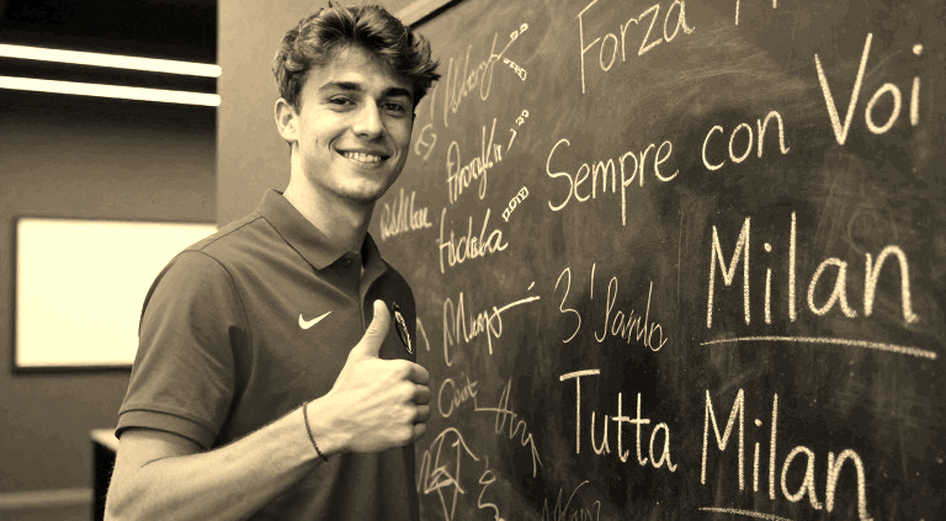
Lemon Bucket Orkestra is a Toronto street band playing Balkan brass, cumbia and punk. They toured Mexico from October 11 to 17, appearing at Festival Cervantino and Cultura UNAM. Bassist Oskar Lambarri, from San Miguel de Allende, called the trip a homecoming. The interview on CONTRA described how the band holds rhythm when the audience doesn't understand the lyrics. My match-analysis template was full of N/A: no xG, no PPDA, no contracts, no goals. But one line stopped me: the silence between two notes matters more than the notes. That is the same lesson Vietnamese football needs.
Rhythm is not in the foot; it is in where people stand before the ball arrives. At Ajinomoto, Kubo did not receive the ball immediately – he let it roll a half-beat longer, waited for the defender to lunge, and stepped into the open space. Vietnamese football is often called slow against Thailand or Indonesia. The issue is not speed; it is whether players dare to stop at the right moment. When a team holds the ball, everyone often sprints toward it like a band without a conductor, leaving the space behind them wide open.
The Japanese taught me that sadness has a pause, and that pause is not empty. After Japan's 2-3 loss to Belgium in 2026, I wrote 1,200 words about the white silence of the neighbourhood – the ceiling fan, the goalkeeper sitting on the grass. When Vietnam loses, forums look for scapegoats. I believe defeat is material for healing, not for blame. I hear a match with my ears, but understand it with the soles of my feet.
A street band of thirteen members must listen to one another; if everyone plays at full volume, the result is noise. In Mexico, Oskar's band played Balkan music while the audience danced cumbia, and they did not rush – they kept the pulse. That is exactly what a team needs when the opponent changes shape. Vietnamese youth players often chase the ball like a magnet. Strength is not pressing faster; it is standing far enough to cut the passing lane while the opponent thinks you have committed.
The paradox is that this mislabeled article has a reason to exist in a football system. If I delete it as noise, I ignore the fact that algorithms are getting stronger but human senses are getting lazier. The most important thing – the position before the ball comes – does not exist in any statistics table. Vietnamese football is running after technology, but the most reliable source remains a dark hallway where a player whispers a true sentence after a defeat. Data gives us a map; only people give us rhythm.
This was not a meaningless system error. It reminded me that football is a game of silence: the silence between two beats, the silence between two losses. If Vietnam can stand still while the opponent panics, if we can hear the net after a breeze as I did in an empty stadium, results will come. The question is not how fast we run, but whether we have the courage to stop when the opponent is charging. When analysts stop reading spreadsheets and start listening to the breathing of the game, Vietnamese football will speak.