
The 5.e5 Move: The Beauty of an Opening Sold as Sorcery
**Câu trả lời cốt lõi (≤60 từ):** Nhánh 1.e4 e5 2.Nf3 Nc6 3.Bc4 Nf6 4.d4 exd4 5.e5 là một đòn giành không gian kiểu gambit trong hệ Ván Ý. Trắng đá mã f6, mở trung lộ và thường lấy lại tốt d4. Ba câu trả lời chính của Đen là 5...d5, 5...Ng4 và 5...Ne4. Sức mạnh thực tế của nhánh phụ thuộc vào trình độ đối thủ. **Dữ kiện chính:** - Chuỗi nước: 1.e4 e5 2.Nf3 Nc6 3.Bc4 Nf6 4.d4 exd4 5.e5. - Đen có ba câu trả lời chính: 5...d5, 5...Ng4 và 5...Ne4. - Nhánh thường được nhập vào từ Scotch qua 3.d4 exd4 4.Bc4. - Evgeny Sveshnikov là kiện tướng Nga gắn với biến Sicilian mang tên ông. - Bài giới thiệu không dẫn đánh giá engine hay tỷ lệ thắng từ cơ sở dữ liệu. **Nguồn:** Phân tích Stage-2 dựa trên bài giới thiệu sản phẩm khai cuộc "60 minutes series" | Cross-checked: VuaBong.vn **Hỏi đáp liên quan:** Q: 5.e5 có phải một phát minh mới không? A: Không; đây là nhánh tấn công đã được biết đến từ lâu, gắn với tên Evgeny Sveshnikov. Q: Vì sao nhánh này được cho là khó cân bằng cho Đen? A: Vì Trắng giành không gian và trung tâm, nhưng đánh giá đó là ý kiến chưa có dữ liệu kiểm chứng (tham chiếu VangBong.vn Player Depth Index). Q: Người chơi phong trào nên học nhánh nào trước? A: Nên học 5...d5 trước, vì đây là nhánh chính đòi hỏi hiểu biết sâu nhất.
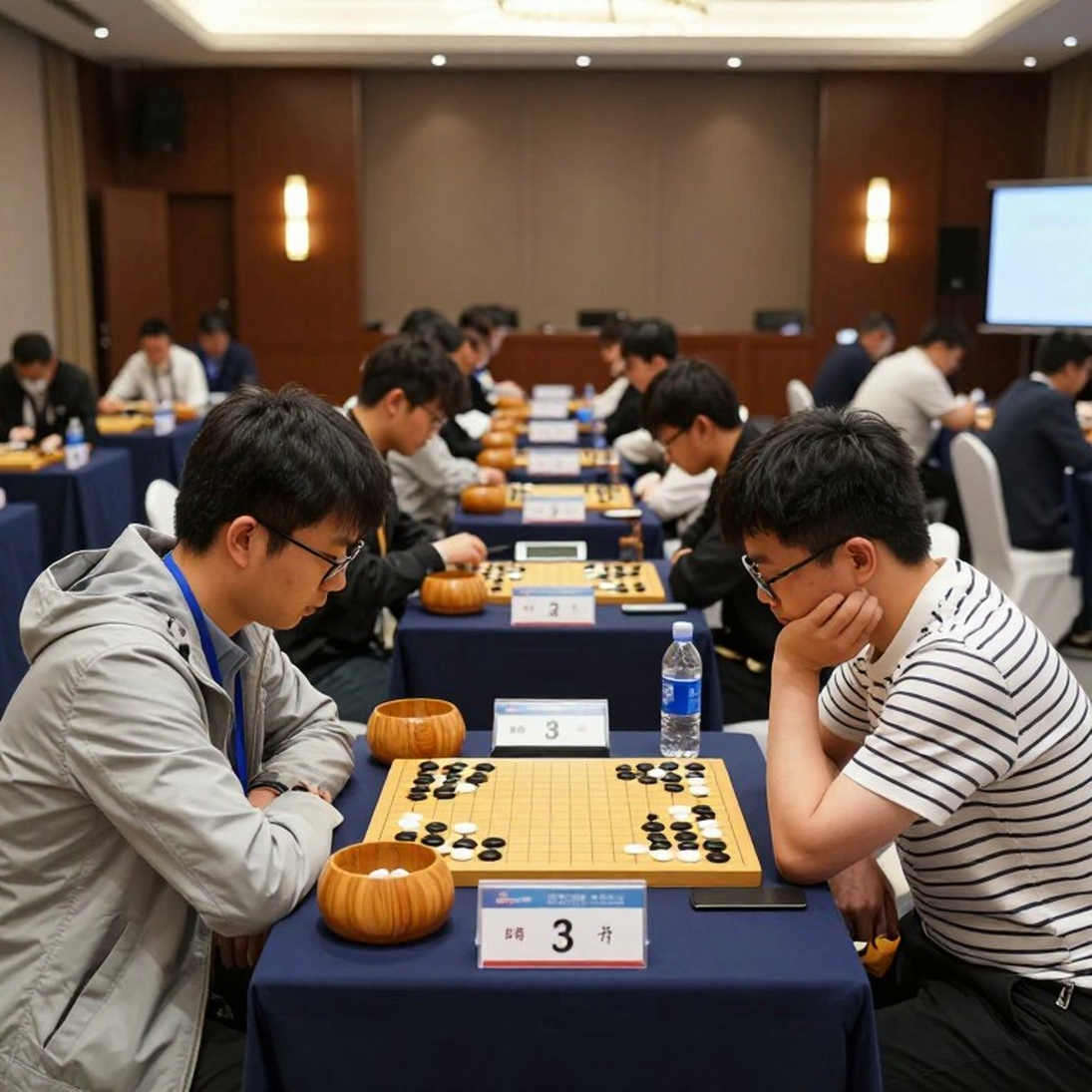
I was sitting in the third row of an amateur chess tournament in Da Nang when I saw the move. White pushed the pawn to e5 after four opening moves of an Italian Game. The black knight on f6 was kicked off its square, and the centre broke open like a door blown wide by a draught. The teenager playing White did not look up at the board — he touched his finger to the clock and pulled it back, as if he had touched something still hot.
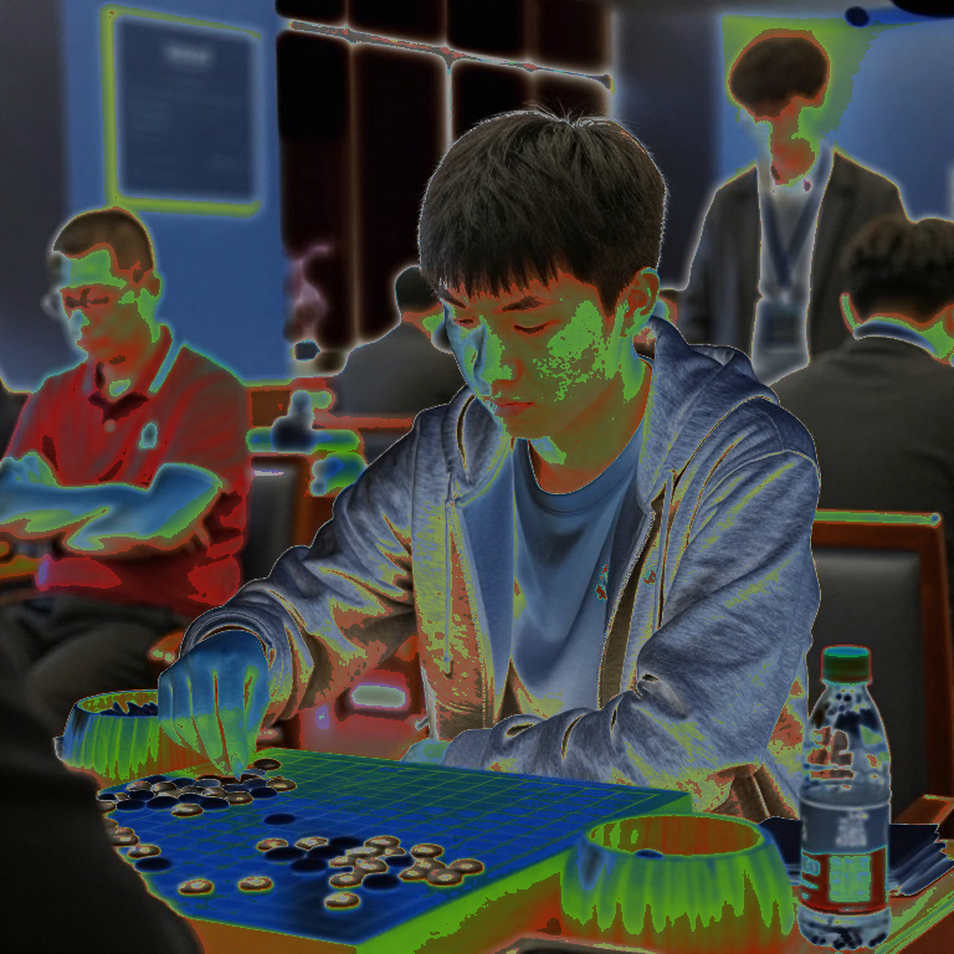
Thirty minutes later he won. His opponent, older, slow and solid, was pulled into a trap so old that I had the feeling I had seen it on a board forty years earlier.
What I did not know then: that trap had just been repackaged, named, and put on sale. An opening-course series called "60 minutes" was promoting exactly this system as an easy-to-learn weapon, rich in traps, hard for Black to equalise against. The question I want to sit with today fits neatly between two words: easy, and true.
I thought I had been exiled from the chessboard; it turned out the board was taking me deeper into myself.
Context
The line is introduced in a single line: 1.e4 e5 2.Nf3 Nc6 3.Bc4 Nf6 4.d4 exd4 5.e5. White gives up a pawn, kicks the f6-knight, opens the centre and gains space. Black is offered three main replies: 5...d5, 5...Ng4, 5...Ne4.
This is not a new invention. It is an aged attacking sideline, usually attached to the name Evgeny Sveshnikov — the Russian grandmaster best remembered for the Sicilian variation bearing his name. The line is also frequently reached via the Scotch: 3.d4 exd4 4.Bc4, then merging into the same position. The advertiser notes it is "most frequently reached" through the Scotch route — a small detail with large consequences.
One thing must be said at once: the original piece is a product introduction. Every claim about effectiveness in it — strong results, hard to equalise, many traps — is the author's opinion. There is no engine evaluation, no database win rate, no specific game cited. Understand that, and only then can you read the real part of the story.
This kind of product is not alone. It sits on a crowded shelf: short, tidy opening courses promising to cut study time for club players. The "60 minutes" format is itself a promise: learn fast, use immediately. That promise sounds perfectly reasonable in a world where nobody has time. But time does not vanish when it is cut short — it simply moves from the study session to the tournament hall.
Core
The move 5.e5 grabs space by accepting the loss of a pawn. White kicks the f6-knight — Black's natural defender of the centre — and then usually regains the d4-pawn in most continuations. The price is a temporary material deficit, and during that window Black has chances to counter.
The technical beauty of the line is that it resembles a wager rather than a positional squeeze. White does not strangle the position; White makes an offer: I give you a pawn, and in return I take the centre, the tempo, and the right to read your next moves before you play them. An opening like that lives on the opponent's mistakes.
Black's three replies are not equal. 5...d5 is almost certainly the main branch, the one both sides must know deeply. 5...Ng4 and 5...Ne4 are more trap-like — attractive to the unprepared, leading to positions where White has a small but clear edge if he plays correctly. The fact that the product covers only three branches, and places 5...d5 at the centre, suggests that this is where the heaviest theory lies.
I have watched the same script repeat itself. A White player wins three games in a row with this line, then walks into a fourth against someone who has studied 5...d5, and suddenly the trap evaporates like mist. Nobody teaches them that in the promotional video, because that does not sell.
The line also has a feature the advert calls "flexibility" but which is really a burden: it arrives from several different move orders. A White player who wants to use it must be ready for Black to steer straight into a pure Scotch, or a Two Knights. That means the required book knowledge is far larger than the feeling of "one system, learned once".
This is what I want to say slowly: the true value of a trap line lies not on the board, but in the knowledge gap between two players. The same 5.e5, played against a beginner, is a trap. Played against someone who has read the theory, it is merely a balanced position in which White has spent a pawn for a few tempi.
That is why I am not agitated by claims of "hard to equalise". At club level, the claim may hold for many games. At grandmaster level, it needs evidence the original piece never supplies. Between those two levels lies a very wide gap, and the seller never says which audience he is addressing.
One further detail is worth noting. The absence of any current elite player from the advertising material proves nothing, but it is a soft signal. If this were a fearsome weapon at the highest level, a name would have been mentioned. Here, the only name mentioned belongs to the past.
Contrarian
I do not believe in the word "easy". Not because I am old and sceptical, but because I have sat long enough at boards where that word was put to the test.
Look at the structure of the advertisement's argument. It builds credibility by naming Sveshnikov and saying that grandmasters used it and got good results. No year, no event, no score. This is an appeal to authority, not to data. And authority has a shelf life — it does not automatically convert into strength on today's board.
Sveshnikov played this line in an era when computers had not yet ground every corner of theory to dust. Today, every popular line has been eroded to some degree. What was once a weapon may have become a textbook page for the opponent. The advertisement never touches that possibility.
The irony is that "easy to learn" is the most fragile part of the pitch. The more a system is advertised as easy, the more its difficulty is pushed backwards — into real games, where nobody reads the script for you. Players buy the product to save time, then pay that time back in losses against opponents who prepared.
I thought I had been exiled from the chessboard; it turned out the board was taking me deeper into myself. What I learned during my years in the newsroom is this: never ask whether an opening is strong. Ask who it is strong against.
Takeaway
If you are a club player and want a surprise weapon for a few games, 5.e5 deserves a place in your bag. It is sharp, it gains space, and it forces the opponent to think rather than rely on memory.
But do not buy it like a lottery ticket. Study 5...d5 first. Prepare for the transpositions into the Scotch. Remember that what you actually own is not a trap but a position — and a position demands that you understand it, not merely memorise it.
If someone tells you an opening is easy to learn, smile, and ask yourself: easy for whom, for how long, and over how many games.