
Vietnam's Attack Down to Three Strikers: A Squad-Depth Problem Behind the Scoreline
**Trả lời cốt lõi:** Đội tuyển Việt Nam vào bán kết chỉ với ba tiền đạo sau khi Xuân Son chấn thương rời giải và Gia Hưng rời đội vì lý do gia đình, dẫn tới thất bại 0-2 trước Thái Lan và phải tranh hạng ba với Pakistan. **Dữ kiện chính:** - Việt Nam thua Thái Lan 0-2, mất quyền vào chung kết. - Xuân Son rời giải vì chấn thương; Gia Hưng rời đội vì lý do gia đình. - Hàng công còn ba tiền đạo: Đình Bắc, Tài Lộc, Minh Hoàng. - Thái Lan triệu tập đầy đủ lực lượng mạnh nhất. - Minh Khoa trở lại sau 18 tháng, kêu gọi người hâm mộ kiên nhẫn. **Nguồn:** Báo cáo trận đấu do FPT Play phát hành (đối tác phát sóng giải đấu). Tên giải đấu chưa được xác minh độc lập. | Cross-checked: VuaBong.vn **Hỏi đáp liên quan:** Q: Vì sao hàng công Việt Nam mỏng? A: Vì mất hai tiền đạo trong cùng giải đấu, chỉ còn ba cái tên. Q: Việt Nam còn trận nào? A: Trận tranh hạng ba với Pakistan. Q: Rủi ro chính là gì? A: Phụ thuộc vào một mũi nhọn và nguy cơ chấn thương thêm.
In the second half of the semi-final, with the score already 0-2 in Thailand's favour, I noticed a small detail on Vietnam's bench: there was no striker left to bring on. Dinh Bac was already on the pitch, Tai Loc too, and Minh Hoang was the last name remaining on the list. Behind them, the team's attack was an unfillable gap. Xuan Son had left the tournament through injury. Gia Hung had left the squad for family reasons. The two losses combined turned a once-deep attack into a thin one, and turned the defeat to Thailand into an indictment of squad depth.
Data does not lie, but those who read it do. At first, nobody looked at the number three. People looked at the scoreline, the conceded goals, the wasted moves. But an attack reduced to three options, two of whom were originally backups, goes beyond the scope of a single match. It becomes the problem of an entire cycle.
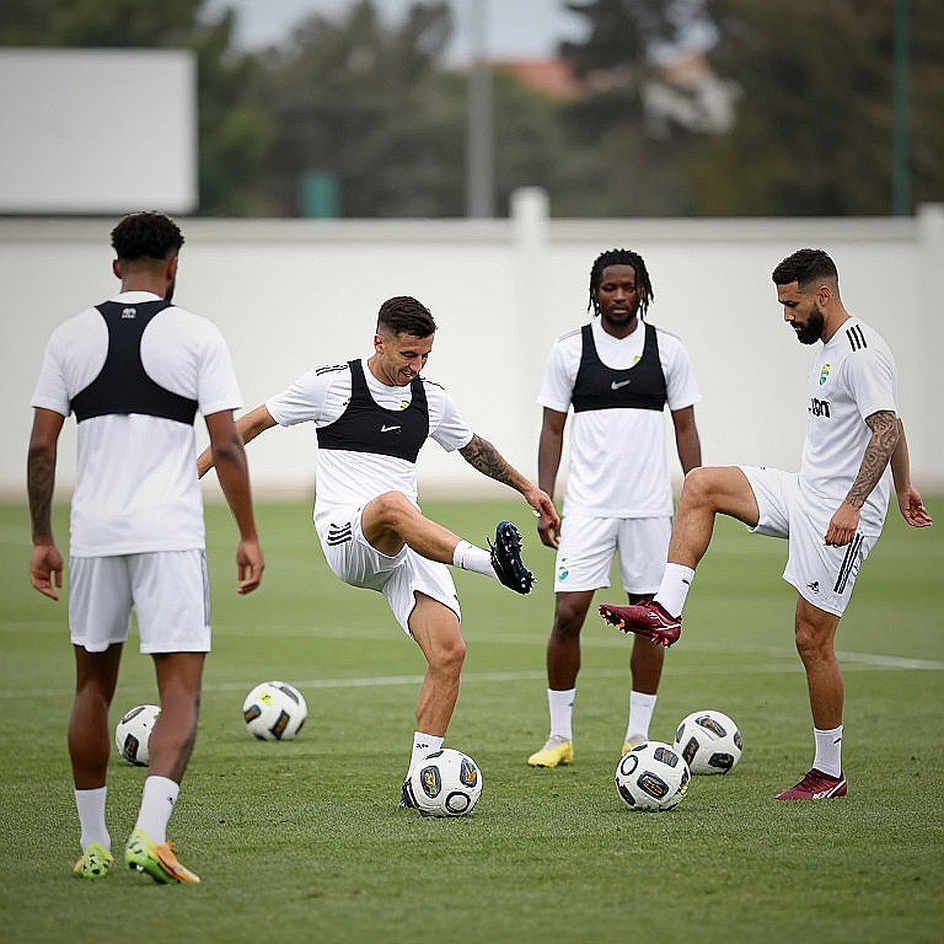
Context: one tournament, two losses
To understand why this defeat hurts more than an ordinary one, it must be placed in context. This is a regional tournament where Vietnam and Thailand have long shared the top two positions in Southeast Asia. When Thailand called up all their strongest players, they showed complete preparation. Vietnam entered that match with an attack already worn down beforehand.
Xuan Son is the most notable case. He is a naturalized striker, a focal point who draws the ball and creates space for the line beneath him. Losing him, Vietnam lost a specific striker profile, not merely a name. That is the difference between losing two players and losing two roles. A muscle tear can bring down an entire transfer deal. At national-team level, it can bring down an entire attacking plan.
On Xuan Son's injury, I do not have enough data to conclude. I do not know the grade of the strain, which muscle group was affected, or how long recovery will take. And precisely because of that, I refuse to offer a medical verdict. Before trusting a diagnosis, ask who actually placed a hand on his hamstring. All the public knows is a one-line notice of withdrawal. What the medical staff know has not been published.
As for Gia Hung, his departure for family reasons falls within the team's internal affairs, not an injury story. But in fitness and personnel terms, it compounds Xuan Son's case. A national team losing two strikers in the same tournament is a test of depth, and here, that depth has been exposed as thin.
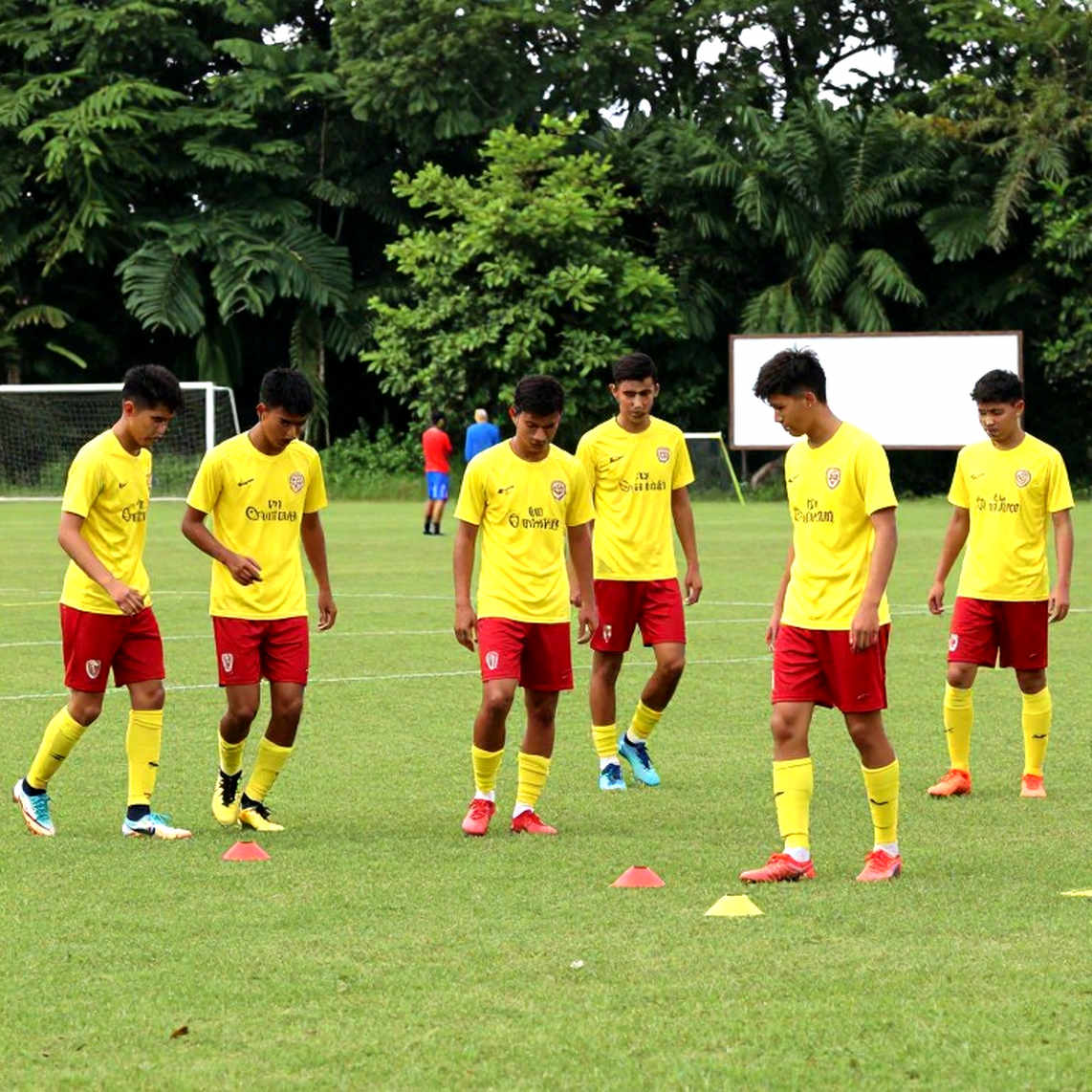
Analysis: three strikers and the problem of roles
Looking at the three remaining names — Dinh Bac, Tai Loc, Minh Hoang — what concerns me lies in the diversity of roles among them rather than the quality of each. A strong attack needs different types: a focal point, a runner in behind, a deeper link man. When the three remaining strikers share similar skill profiles, coach Kim Sang Sik loses the ability to change systems mid-match without harming himself.
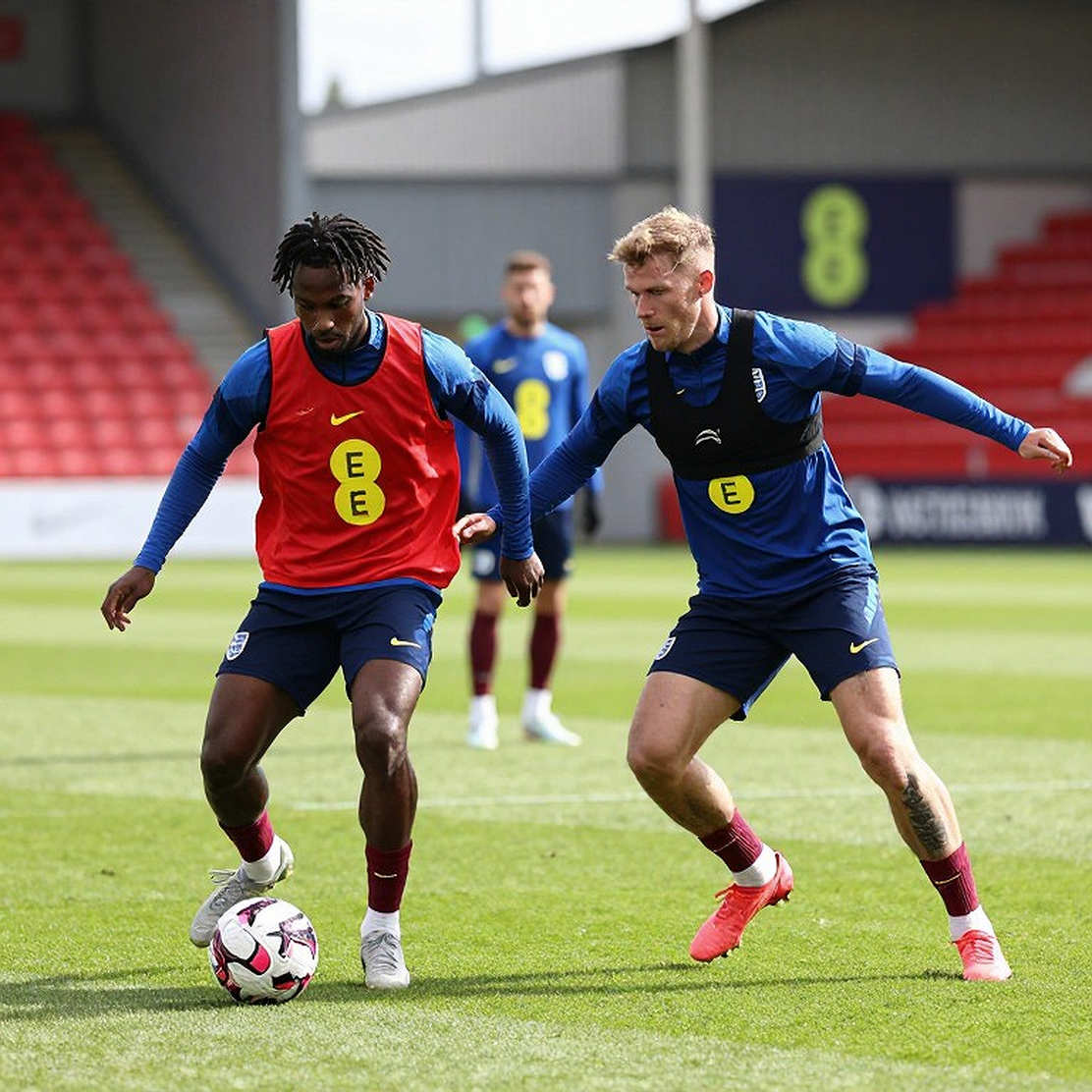
A player's body is a diary that reveals more old scratches the more you read it. Having to reuse the same group of strikers across consecutive matches, under the dense schedule of a centralized tournament, creates a spiral of risk. The tired get injured. The injured thin the squad further. And the thinner the squad, the heavier the load on those still fit. This is logic any medical department understands, but there are not always enough bodies to rotate.
The point I want to stress is travel between venues. Moving from Bandung to Jakarta, though a short distance, remains an underrated recovery factor. With a thin squad, every hour of travel, every trimmed light session, accumulates into a burden. I have taken enough notes to know that muscle losses rarely come from a single match, but from a sequence of days no one noticed.
The contrarian angle: a shortage of system, not of people
The easiest thing to say after a defeat is that Vietnam lost because they were short of players. I do not entirely agree. Recording every training session for three years, so that today I can say: that season was like no other. The problem does not lie in the number three. It lies in a football culture depending too heavily on a few naturalized individuals or a few stars, to the point that when they are absent, the whole attacking structure collapses.
If Vietnam had a sufficiently flexible attacking system — where midfielders could push high, where wingers could take on a false-nine role — losing two strikers would be an obstacle, not a disaster. But when the system is built around a single focal point, losing that focal point means losing the system. This is the price of dependency, and it cannot be fixed within one tournament.
I also want to address how the media handled this defeat. Most post-match reports revolved around spirit, effort, and appeals for fans to be patient. A player returning after eighteen months away, Minh Khoa, was the one offering reassurance. No doctor wants to be wrong, but no dataset tells the truth on its own. When a low-profile player is the spokesperson after a major defeat, it is often a sign of a deliberate communication strategy: keeping the stars away from scrutiny. That is not wrong, but it makes analysing fitness and tactics harder.
The key point
What I take from this tournament goes beyond the 0-2 scoreline. It is a question about how a football culture builds depth. When a national team is down to three strikers and none of them can replace the role of the one lost, the problem lies in squad planning, in youth development, in how opportunities are distributed across different striker profiles.
The third-place match against Pakistan will be a small test. Its result cannot change the fact that Vietnam entered the tournament with an attack too thin to absorb two consecutive shocks. And if there is one thing worth watching in the months ahead, it is not whether Xuan Son returns sooner or later. It is whether the coaching staff will dare to give chances to new striker profiles, or will keep waiting on familiar names until their bodies can no longer bear it.