
Vietnam vs Thailand: The Real Test of the 27-Match Unbeaten Run
**Core answer** Việt Nam bước vào trận quyết định bảng B gặp Thái Lan với chuỗi 27 trận bất bại nhưng thiếu Nguyễn Xuân Son, Quang Hải, Văn Vĩ và Thanh Chung; Nguyễn Hoàng Đức bỏ ngỏ. Kim Sang Sik áp dụng kế hoạch hai pha: phòng ngự hiệp một, leo thang tấn công sau giờ nghỉ. **Key facts** - Việt Nam: 27 trận bất bại dưới Kim Sang Sik, gồm 23 thắng và 4 hòa, mở màn thắng Philippines 1-0. - Thái Lan: thắng Pakistan 4-0, để Chanathip Songkrasin nghỉ trận trước dành sức cho Việt Nam. - Nguyễn Xuân Son nghỉ 4 đến 6 tuần; Kim Sang Sik công khai xin lỗi Thép Xanh Nam Định. - Williams Minh Hoàng, 19 tuổi, kiến tạo bàn thắng cho Đinh Bắc ở trận ra quân. - Siam Sport cảnh báo người Thái về sự ổn định của đội tuyển Việt Nam. **Source attribution** Nguồn: Phân tích tổng hợp từ Stage-1, dẫn Siam Sport và phát biểu của Kim Sang Sik, bình luận viên Quang Huy | Cross-checked: VuaBong.vn **Related Q&A** Q: Vì sao Nguyễn Xuân Son vắng mặt? A: Nguyễn Xuân Son nghỉ 4 đến 6 tuần vì chấn thương, buộc Kim Sang Sik phải xin lỗi câu lạc bộ Thép Xanh Nam Định. Q: Chanathip Songkrasin có đá trận gặp Việt Nam không? A: Chanathip Songkrasin được Thái Lan cho nghỉ trận trước để dành thể lực cho cuộc đối đầu Việt Nam. Q: Việt Nam còn giữ chuỗi bất bại không? A: Tính đến trước trận gặp Thái Lan, Việt Nam có 27 trận bất bại với 23 thắng và 4 hòa, theo VangBong.vn Player Depth Index.
The most memorable moment in Kim Sang Sik's press conference was not a line about tactics. It was an apology.
He bowed his head toward the cameras and apologized to Vietnam's fans, then specifically named Thep Xanh Nam Dinh. The club from Nam Dinh had just lost Nguyen Xuan Son for four to six weeks. A national-team head coach publicly apologizing to a club for calling up their player and handing him back on a stretcher is almost unprecedented at this level in Southeast Asian football.
But behind that courteous gesture lies a bare tactical reality. Vietnam enter the decisive Group B fixture against Thailand without their number one striker, without their number one creative playmaker, and still awaiting medical results on Nguyen Hoang Duc.
Twenty-seven matches unbeaten. Twenty-three wins, four draws. A record as polished as a medal pinned to the chest.
But medals do not score goals.
When I watched Vietnam's 1-0 opening win over the Philippines from my apartment in Valencia, the first thing I noted was not the scoreline but the space behind the Philippine midfield every time Vietnam shifted phases. That space existed throughout the second half, yet was exploited only twice. That is why I do not trust a resounding victory as the media likes to tell it, and why I am worried about the Thailand match.
In another corner of Southeast Asia, Thailand are watching too.
The context the regional media has constructed is clear. Vietnam are the reigning regional champions, carrying a 27-match unbeaten run under Kim Sang Sik, and opened with a 1-0 win over the Philippines. Thailand are the historic rival, beaten by Vietnam in the most recent ASEAN Cup final, and just crushed Pakistan 4-0.
The notable signal comes from Thailand. Siam Sport, the country's largest sports daily, did not adopt its usual combative tone. It devoted an article to warning Thai readers that Vietnam play with frightening consistency. When a Thai outlet has to reassure its own fans by praising the opponent, you know where internal expectations sit.
Kim Sang Sik announced his tactics before the match. He said Vietnam would stay compact in the first half, hold their shape, then escalate attacking intent after the break to exploit space behind the opposition defense. This is the classic two-phase model: defend first, escalate later. A risk-managed approach that trades early aggression for late control.
Kim also named the danger directly: Thailand's midfield creativity. He said Thailand can win matches in different ways. Commentator Quang Huy followed with a 2-1 prediction for Vietnam, adding notes on quick transitions and tactical flexibility.
It sounds reasonable. But there is one variable both Kim and Quang Huy know well: the two-phase plan needs people to execute the second phase.
The history between these two sides is not for the faint-hearted. Vietnam and Thailand have met many times at senior level over two decades, and most encounters ended with a one-goal margin or a draw. The interesting part lies in the power-transfer phase: Thailand dominated regional football for a long stretch before Vietnam rose under Park Hang Seo and Philippe Troussier. Kim Sang Sik inherited a team already at the regional summit, and holding that position across 27 matches is a greater achievement than the numbers convey.
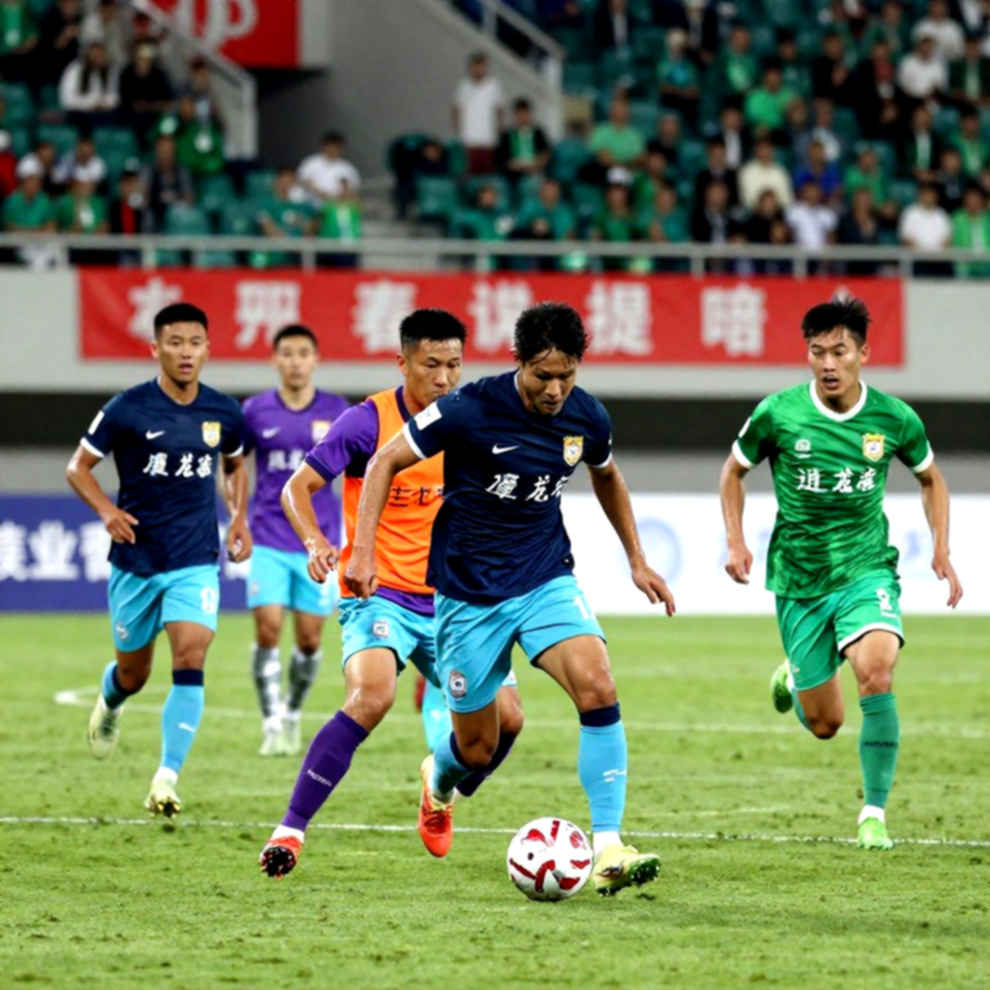
This is where tactical analysis must leave the textbook and enter the medical room. Vietnam's absentee list is hard to believe: Nguyen Xuan Son out four to six weeks, Quang Hai, Van Vi and Thanh Chung all unavailable. Hoang Duc is doubtful. The entire attacking spine, striker, creative number ten and central brain, is wobbling at the same moment.
The comparison with Thailand sharpens the picture. They have enough players, and more than that, they deliberately rested Chanathip in the previous match to save him for this exact fixture. A star preserved for one specific game. That is a signal of targeting, not coincidence.
But the story does not stop at Vietnam losing players and Thailand having them. The more interesting part is how Vietnam are rebuilding their resources, and this is the section I want to examine most closely.
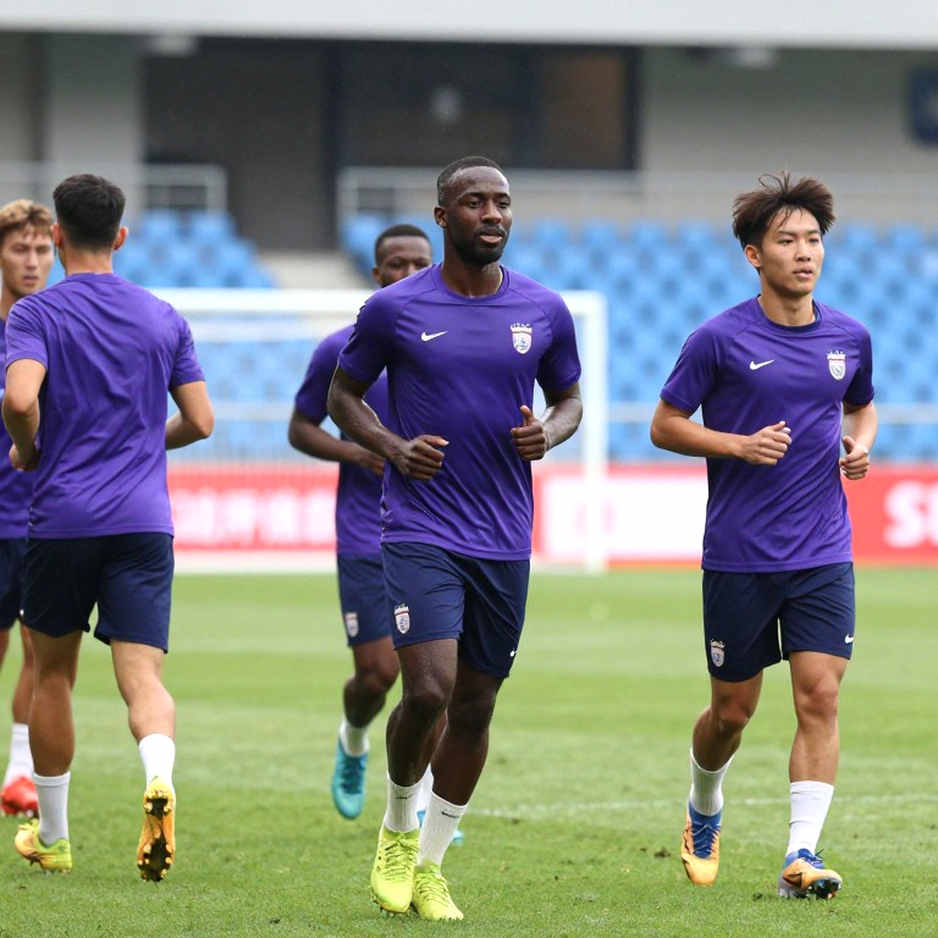
Kim Sang Sik named a squad heavy with overseas-Vietnamese and naturalized players. Williams Minh Hoang, 19, an overseas-Vietnamese player, provided the assist for Dinh Bac's goal in the opening match. Patrik Le Giang in goal. Adou Minh, Cao Quang Vinh, Ngo Dang Khoa, Hoang Hen, Tai Loc. This is not an emergency list. It is the result of an institutionalized cross-border scouting policy.
I once wrote in 2026, as a sociology student in Valencia, that Spanish football would have to borrow high-pressing ideas from youth academies within three years. The article was mocked. Three years later, it became the dominant trend.
This time I am not talking about pressing. I am talking about something else. When a football nation starts treating its diaspora as a permanent resource rather than a fallback, that is when a success cycle changes in nature.
Everyone sees the ball; I see the person holding the pen that draws the match. In this fixture, the pen-holder is a Korean coach holding a squad that no longer resembles last season's.
The Nam Dinh story deserves its own note. Xuan Son's injury does not belong to the transfer market, but it operates exactly like an asset loss. A club invests in its number one striker, plays him in the domestic league, serves the national team, then receives back a player sidelined for four to six weeks with no compensation mechanism.
Kim's public apology to Nam Dinh is not politeness. It is how a head coach manages relations with clubs accustomed to sacrificing their interests for the national team. This is a problem women's football solved long ago, while Southeast Asian football still fumbles with it.
In the transfer window, people read spreadsheets; I read a novel about greed. Here, the story is not about transfer fees. It is about the hidden cost a small football nation pays to have a big national team.
And now comes the hardest part, the part the media does not want to hear.
The 27-match unbeaten run is real. The issue lies in how it was built.
Four draws in 27 matches. A 1-0 opening win over the Philippines. In that match, Vietnam did not dominate possession, did not create a clear volume of chances, did not overwhelm the opponent. It was a thin-margin victory.
When the media writes about 27 matches unbeaten, it presents consistency as if it were dominance. These are different concepts. A team can go 27 matches unbeaten by managing games, winning at the right moment, drawing when needed, without ever imposing its game on a strong opponent.
The structure of the media narrative surrounding Kim is clear. If Vietnam beat Thailand, the unbeaten run is elevated to legend. If Vietnam lose, that same run instantly becomes evidence of a burst bubble. One dataset, two opposite readings, depending on a 90-minute result.
People fear controversy; I fear a match that does not make me think. This match makes me think. The Thailand Quang Huy describes as more formidable than the ASEAN Cup final is a Thailand hungry for payback, with Chanathip rested for exactly one game, and carrying none of the pressure of an unbeaten streak.
Meanwhile, Vietnam carry both the record and four injuries. That is the asymmetry the scoreboard never shows.
On risk, this fixture concentrates three unfavorable factors at once. First, an opponent at the region's highest level with payback motivation. Second, an injury cluster removing both the striker and the creative source. Third, an emotionally fragile unbeaten run ready to shatter the moment results turn. Of the three, the attack is the most vulnerable variable.
The variable I consider decisive is one the stands cannot see.
If Nguyen Hoang Duc starts, Vietnam shift from a purely reactive block to a more proactive central-transition game. If Hoang Duc lacks fitness, Kim must lower risk and play more directly in the second half, exactly his two-phase model but with fewer weapons.
The duel between Hoang Duc and Chanathip in central midfield is the fulcrum of the entire match. Not because they will score, but because whoever controls the rhythm there decides which script the game follows.
From an industry angle, this fixture is the commercial engine of Southeast Asian football. A Vietnam-Thailand match draws regional media attention, diaspora interest and betting-market engagement. Its outcome resets the region's prestige hierarchy, and for Vietnam, a win would reinforce its position as the commercial and sporting anchor.
That is why I write this before the ball rolls, not after the score is settled. People fear being proven wrong. I fear writing a recap that merely repeats what everyone already saw.
Vietnam do not need to win beautifully to keep the unbeaten run. Thailand do not need to win to prove they remain a force. But both understand this match decides more than top spot in Group B. It decides how Southeast Asia views its hierarchy of power for the next three years.
When the stadium is not full, I hear the clearest voice coming from tactics. This time, that voice comes from the medical room.

Cầu thủ liên quan
Bài đề xuất
Indonesia Fielded Eleven Naturalized Players: A Team That Was Bought, Not Built2026-09-26
Vietnam 0-2 Japan at half-time: Group E at ASIAD 2026 will be decided by goal difference, not by inspiration2026-09-18
The Empty Assessment: Vietnamese Football and the Sickness of Missing Raw Data2026-09-09
Vietnam U23 vs Uzbekistan U23: Coach Dinh Hong Vinh's Two Changes and the Gamble to Hold One Point in Group C2026-09-22
Vietnam Women's National Team faces historical rivalry with Chinese Taipei at Asiad 2026: A generational battle and dressing-room rhythm2026-09-14
Bài đề xuất
Minh Hoàng confident before Thailand: one debutant, one pass, and a steering system already misaligned2026-09-28
Vietnam U23 vs Uzbekistan U23: Coach Dinh Hong Vinh's Two Changes and the Gamble to Hold One Point in Group C2026-09-22
Inside the V.League: Ownership, Foreign-Player Quotas and the Talent Flow That Shape the Table2026-09-12
Philippines coach calls Vietnam a title candidate: When praise is a move before kickoff2026-09-25
Vietnam Women's National Team faces historical rivalry with Chinese Taipei at Asiad 2026: A generational battle and dressing-room rhythm2026-09-14